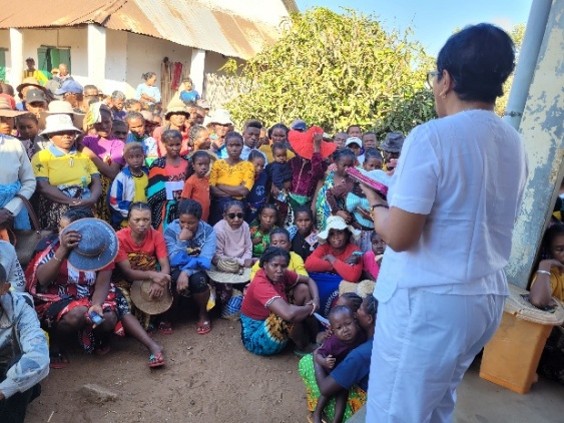
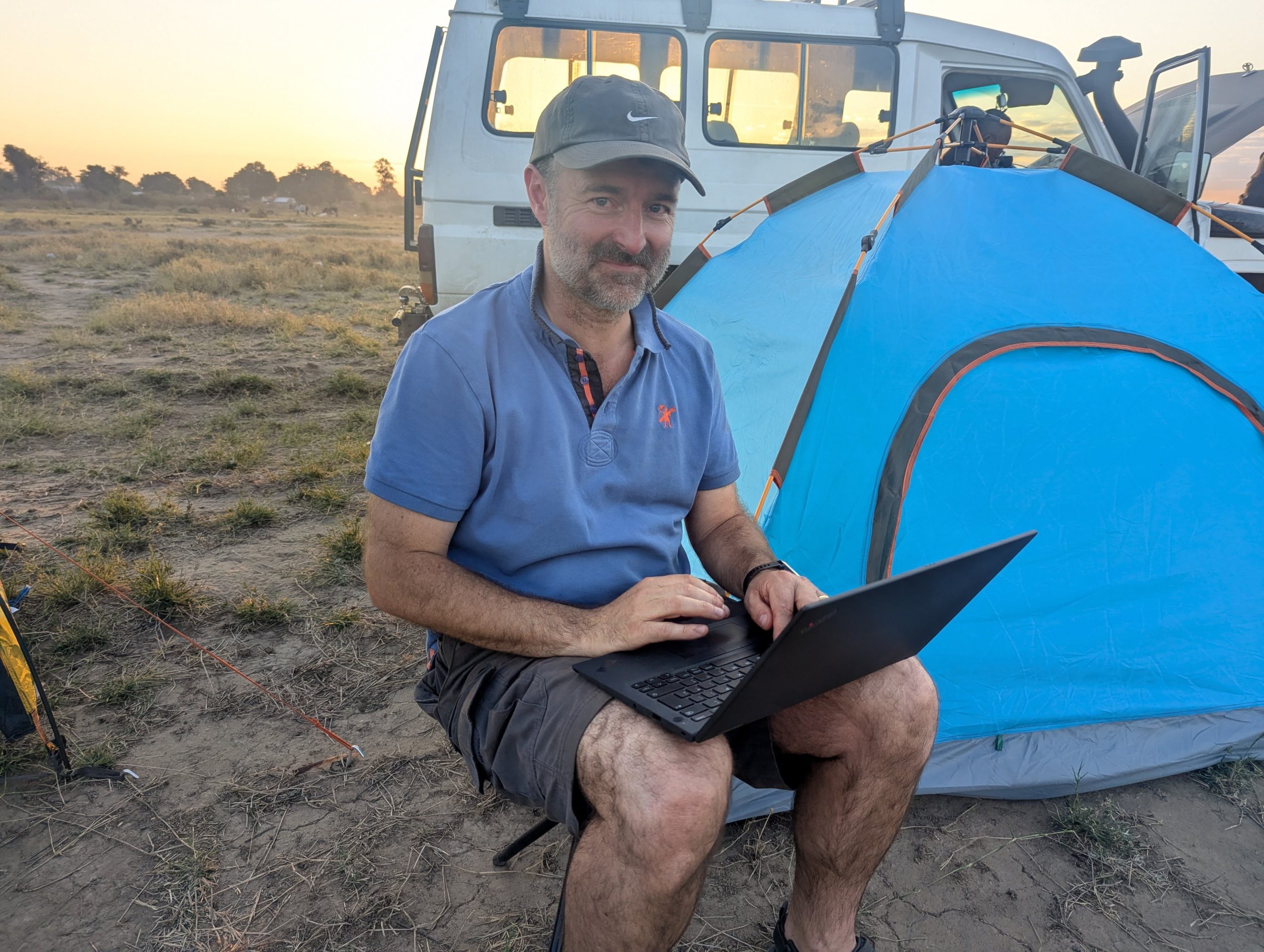
Despite challenging conditions and complex logistics, the mission got underway successfully. Thanks to a strong community awareness campaign, large numbers of patients arrived at the hospital from the very first day, demonstrating the significant need for healthcare in the region.
Over the course of the mission, the team treated hundreds of patients suffering from conditions including malaria, tuberculosis, hypertension, respiratory infections, diarrhoea, dermatitis and gastritis. The surgical team also carried out a range of operations, including hernia repairs, hydrocele surgeries, ovarian cyst removals and caesarean sections.
One of the most remarkable stories from the mission was that of Hasisoa and her newborn baby.
Following an emergency caesarean section, the baby showed no signs of life and did not breathe for almost 30 minutes. The medical team worked tirelessly to resuscitate the child, assisted by family members who waited anxiously nearby.
After multiple attempts, the baby finally cried.
Today, both mother and baby are healthy and doing well. Their family expressed their gratitude to the team, explaining that without the MMS they would have faced a long and costly journey to access the care they desperately needed.

The team also encountered patients whose conditions required treatment beyond what could be provided during the mission.
An 18-year-old man who had been paralysed after a mining accident was referred for specialist neurological care, while a young child with a large tumour affecting an artery in his leg was also referred for treatment at a larger hospital.
These cases serve as a reminder of the challenges faced by people living in remote communities, where access to specialist healthcare is often out of reach.
The Ampasinambo MMS was another successful mission, providing essential medical and surgical care to hundreds of people who might otherwise have gone without treatment.
From routine consultations to life-saving interventions, the mission demonstrated the vital role that Mobile Medical Safaris continue to play in bringing healthcare where it is needed most.
Statistics Total – 536