Why hovercraft?
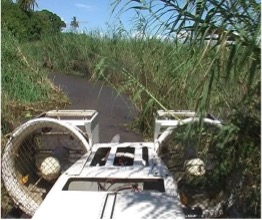
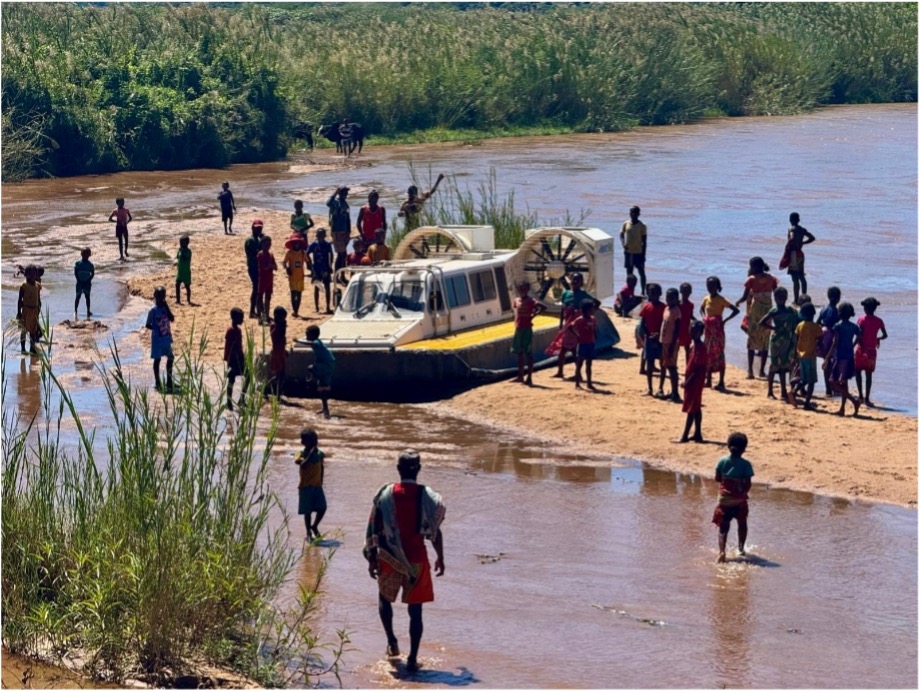
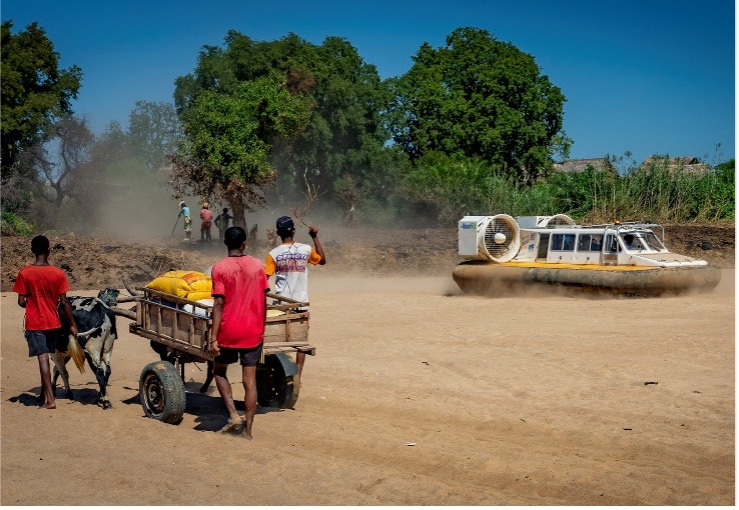
A hovercraft is the ideal vehicle to get to remote wetlands: it can travel over a variety of terrains, including shallow or deep water. Our existing hovercraft were designed in the 1990s and have been used in Papua New Guinea, Zambia, Nicaragua, Mozambique and Malawi, and, most extensively, in Madagascar. They are now well used and we needed new craft, improved from experience. These cannot be bought as there are no hovercraft suitable for our use – hot climate, simple to build, resilient to tough conditions, easy to maintain.
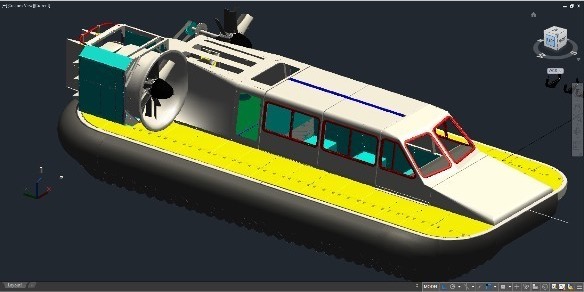
A new bespoke hovercraft has been designed, based on previous generations. This new design has all the benefits of the previous, but with a more powerful engine, a lighter and tougher frame, and more efficient structure.
Building the hovercraft
Our initial ambition was to build one of these new “RiverRover” craft, but we plan to build further craft similar to this one, broadening our reach and enabling us to reach many more communities. Starting in 2021, and thanks to the generosity of supporters providing the >£100k needed, together with a cadre of skilled volunteers, we have been able to design, build, test, and commission the new craft. She has been shipped to Madagascar and is now in the final phases of pilot training and “shakedown” and is already supporting HoverAid’s work in the Mangoky river region.
1. Design and Planning Phase
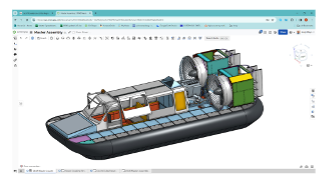
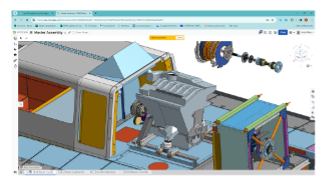
Our design team, collaborating with technical partners RICARDO (engine analysis and selection of BMW M57 6-cylinder turbo diesel), On-Shape (CAD), ANSYS (analysis and simulation), and Cambridge University (analysis and refinement of key aspects), generated an updated RiverRover design. We investigated build options and concluded that the most cost-effective solution was to construct the new craft at our own workshop in Sussex, under our own project management.
2. Assembly Phase
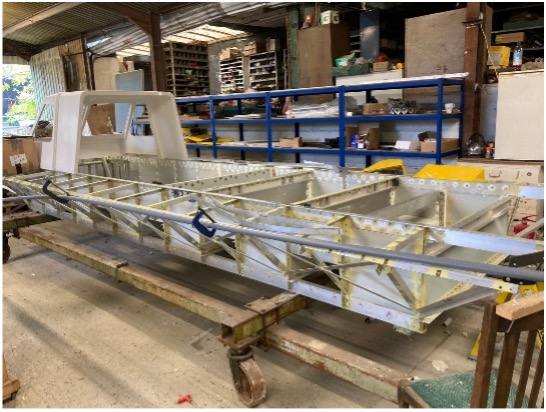
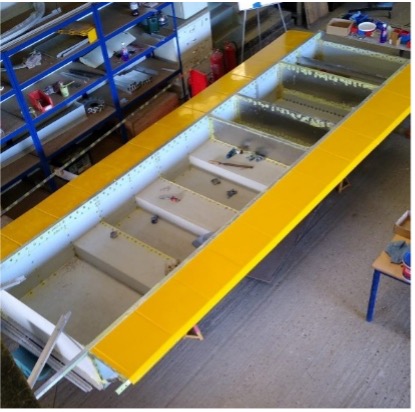
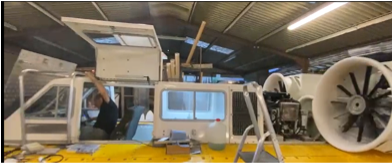
The basic aluminium chassis was created, and fibreglass decking and cabin added, using tools and moulds produced by Vortex Services to our designs.
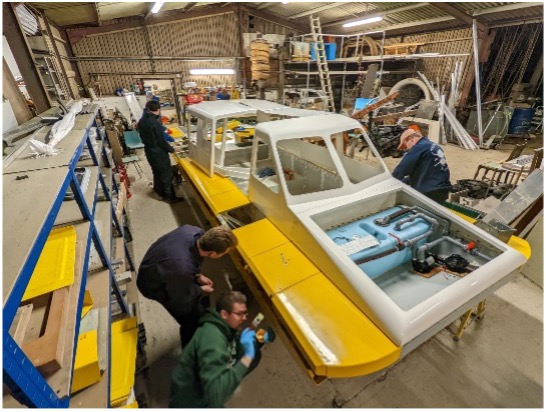
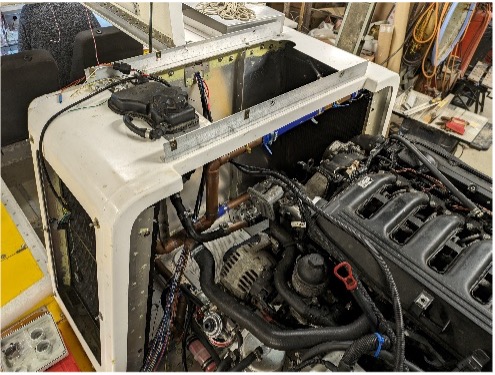
The M57 engine, purchased second-hand, was prepared by RICARDO, and installed with the associated cooling, fuel, hydraulic, exhaust, and electrical systems together with the fans (from Fan Systems Group) and ducting.
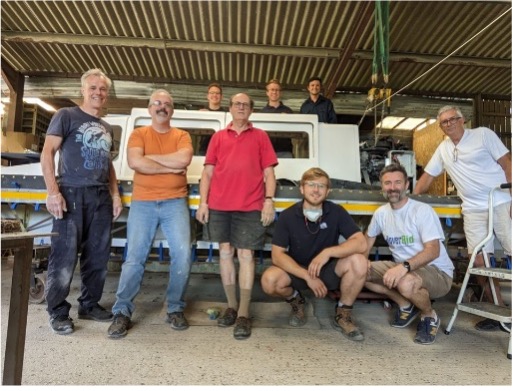
The assembly work was carried out by our small technical team, supported by a group of skilled engineering volunteers, including a group of graduates from RICARDO whose time and opportunity to learn was a weekly part of RICARDO’s graduate programme out of their Shoreham base. Some of the other volunteers had been part of earlier RiverRover build projects in the 1990’s.
3. Testing and Shipping
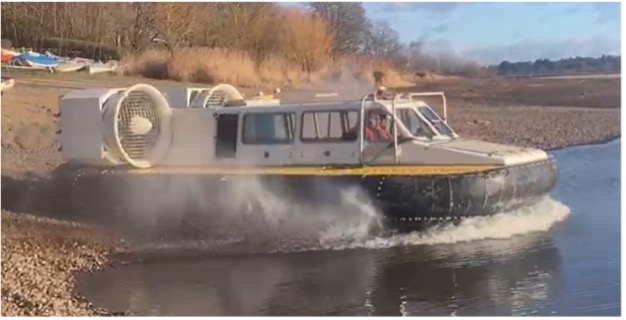
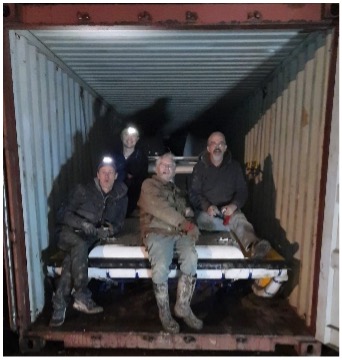
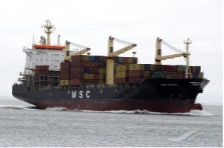
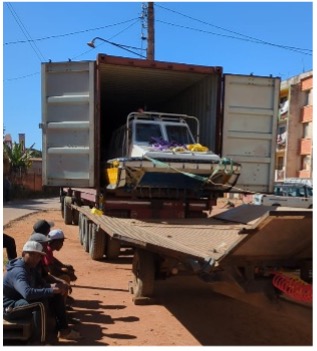
On completion the new hovercraft underwent an intensive 4 week testing programme at Bewl Water in Kent, completed in January 2025. The craft, now officially named “Faith” was then shipped to Madagascar. The RiverRover was designed to fit (just) into standard 40ft container for the 5 week voyage via The Cape. After some weeks extracting her from customs Faith finally arrived at our main base in the capital city, Antananarivo
4. Commissioning
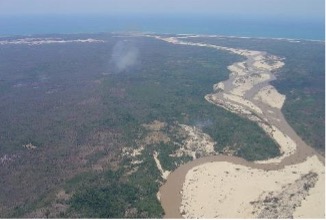
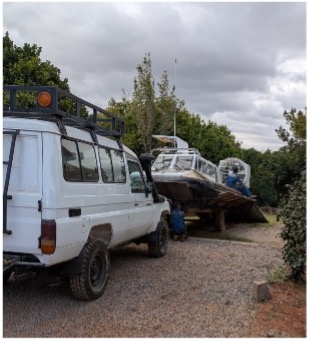
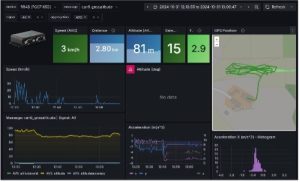
Our colleagues in Madagascar, where HoverAid has a fully equipped garage, vehicles and technical team, then transported Faith to Beroroha, on the Mangoky river, where we have a base facility. This is one of the most isolated regions of the country where the hovercraft is ideal for supporting HoverAid’s mission in the absence of roads and where the rivers are shallow and hazardous for normal boats. Commissioning included testing the performance limits in the hot climate, understanding and optimising engine, cooling, and handling as well as training the pilots and maintenance crew. The main issues faced were fuel supply, ECU overheating, cabin doors, and transmission. One of the key breakthroughs has been the successful installation of a data logging and communications system enabling information on many parameters (temperature, speed, location, pressures etc) to be uploaded to the cloud every 10 minutes for reporting, spotting long-term trends, supporting diagnostics and ultimately developing prognostics.
5. Deployment
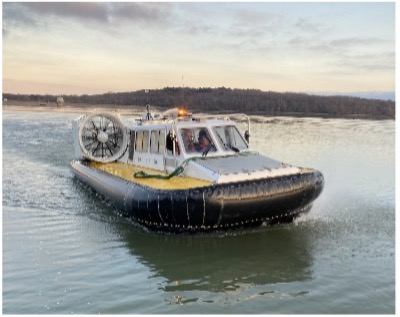
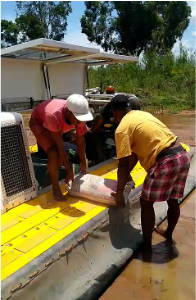
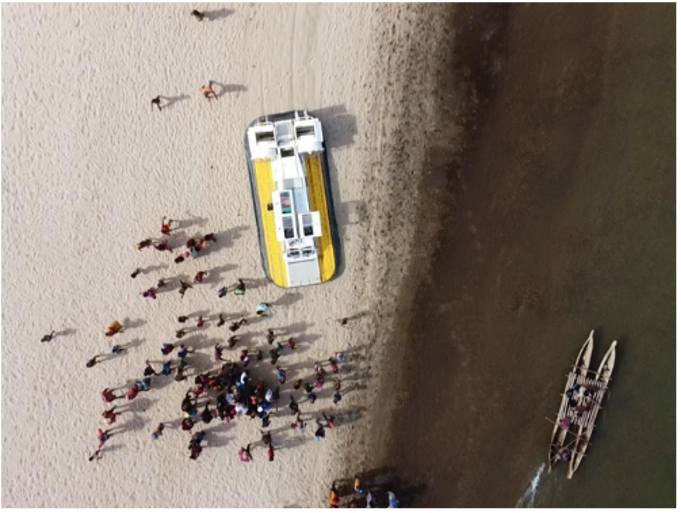
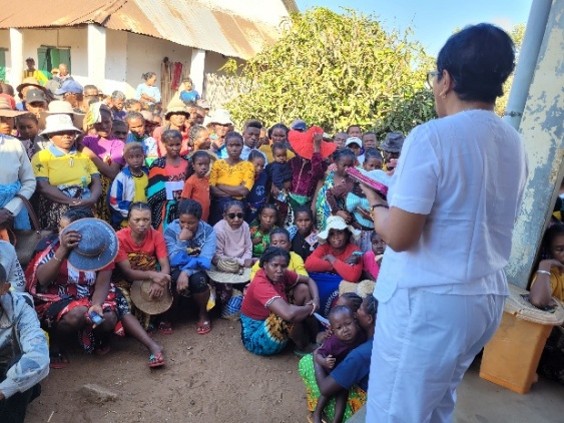
Faith is now based at Beroroha where she is transporting teams of doctors for our “pop-up” medical clinics, construction teams and materials building solar-powered bore holes and pumps providing clean water for thousands for the first time ever, and survey teams planning further life-changing work up the rivers in future years.
She is already demonstrating the ability of a hovercraft to reach isolated communities living in proximity to shallow river systems effectively, where there are no roads. This provides an efficient motorised means of enabling community- scale relief and medical support, where all other forms of transport fail. The hovercraft at 40-50 km/per hour; just 30 mins travel from one location to another by hovercraft would take 2 days to walk.
The impact
This year, HoverAid will deliver life-changing support to over 25,000 people in isolated communities in Madagascar, which we anticipate will increase with the full deployment of this new hovercraft enabling us to reach even more otherwise inaccessible areas through this special capability.
Contact: To find out more, email: info@hoveraid.co.uk