 Cyclone Fytia — Late January Impact
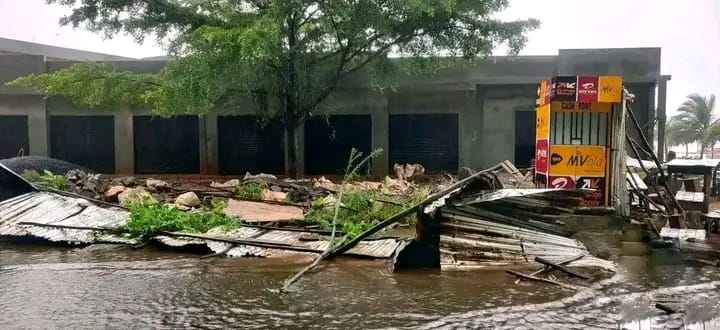
At the very end of January, Cyclone Fytia made landfall on the northwest coast, bringing intense rain, flooding and destructive winds.
-
- At least 12 people were killed in the storm.
-
- More than 31,000 people were displaced from their homes.
-
- Infrastructure, roads and bridges were severely affected, including major transport routes that connect remote communities to essential services.
This early storm set the stage for what became a very difficult few weeks for the country.
Tropical Cyclone Gezani — Mid-February Devastation
Just days after Fytia’s impacts were still being felt, Cyclone Gezani rapidly developed in the South-West Indian Ocean and struck Madagascar’s east coast on 10 February 2026, bringing catastrophic damage to the Atsinanana region, particularly Toamasina (Tamatave) — the island nation’s largest port city.
According to Madagascar’s National Bureau for Risk and Disaster Management:
-
- The confirmed death toll has risen to at least 59 people nationwide.
-
- More than 16,000 people have been displaced.
-
- Hundreds of others have been injured and multiple individuals remain missing.
-
- Damage to homes, buildings and schools has been extensive, with tens of thousands of structures destroyed or damaged.
Satellite imagery and storm modelling show that Gezani made landfall with extremely powerful winds and heavy rainfall, intensifying rapidly just before impact — making it one of the strongest cyclones to hit the country this year.
 Humanitarian Situation on the Ground
Humanitarian agencies have highlighted the scale of need following the back-to-back storms:
-
- More than 270,000 people overall are now classified as disaster victims, with families facing loss of shelter, food insecurity and disruption to basic services such as water and power.
-
- Children are among the most vulnerable, with thousands displaced and schools damaged or closed.
-
- Clean water and sanitation services remain compromised in many areas, increasing the risk of disease outbreaks.
The Government of Madagascar has declared a national disaster and appealed for international assistance, while organisations such as the UN’s World Food Programme (WFP), UNICEF and the Red Cross are mobilising support for affected families.
 HoverAid’s Current Position
HoverAid continues to monitor the situation closely. While the immediate priority remains understanding the full extent of needs, our Madagascar team — in coordination with local partners and community contacts — is engaged in remote surveying and situation assessment to determine if and where we can provide meaningful support.
At this stage:
-
- Our staff remain safe and accounted for.
-
- We are gathering information directly from affected areas.
-
- Decisions on any planned response or support programming will be based on these assessments and in consultation with local community leaders and partners.
We will provide further updates as this work continues and a clearer picture of need emerges.
 What This Means Going Forward
Madagascar’s cyclone season is ongoing, and the impact of these storms compounds existing vulnerabilities faced by many communities — particularly in rural coastal regions where infrastructure and services are limited.
As recovery takes shape over the coming weeks and months, support for basic needs — shelter, clean water, food and education — will be critical.
We remain committed to understanding where HoverAid’s support will have the most positive impact, and we thank our supporters for their continued interest and concern.